
Apophthegmatum
Desiderius Erasmus — Apophthegmatum
Sébastien Gryphe, Lyon, 1552 | Renaissance Humanism
A handsome and remarkably well-preserved Renaissance edition of Desiderius Erasmus's Apophthegmatum ex optimis utriusque linguae scriptoribus, printed at Lyon in 1552 by the celebrated humanist printer Sébastien Gryphe.
One of Erasmus's enduring works, the Apophthegmatum gathers memorable sayings, anecdotes, moral observations, and examples of wisdom drawn from the great figures of Greek and Roman antiquity. Erasmus assembled material from Plutarch, Diogenes Laërtius, Herodotus, Cicero, Seneca, Macrobius, and numerous other classical sources, creating a work that became part of the intellectual culture of Renaissance humanism.
This substantial yet compact 16mo volume contains 923 pages followed by the index, with Gryphe's distinctive griffin printer's device prominently displayed on the title page. The text is beautifully printed in Latin with decorative initials throughout.
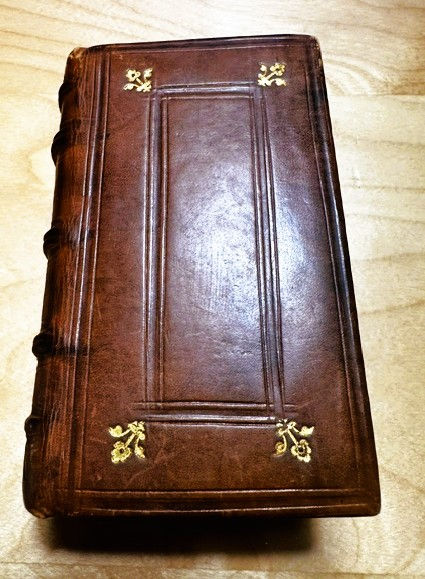
The volume was attractively rebound at a later date in full brown calf in period style, featuring five raised spine bands, gilt floral ornaments, blind-tooled rules to the boards, and gilt corner fleurons. The binding gives the book an especially handsome appearance while remaining sympathetic to its Renaissance origins.
Of particular note is the interior, which remains unusually fresh for a book printed nearly five centuries ago. The paper is generally clean and supple, the typography remains dark and crisp, and the generous text pages beautifully display the character of sixteenth-century printing.
An old Louis Joüon, avocat ownership stamp appears across the title page, providing an additional element of provenance. A small tear to pages 661–662 results in minute loss affecting a few characters of text. The final blank leaves noted in some bibliographical descriptions are not present. Otherwise, the text appears complete.
The later calf binding remains attractive and substantial, showing light rubbing and normal evidence of age and handling. Internally there is scattered toning, spotting, and occasional age-related marks consistent with a volume of this period.
A particularly appealing example of early European printing, bringing together Erasmus, Renaissance humanism, classical antiquity, and the important Lyon press of Sébastien Gryphe. An excellent addition to a collection devoted to early printed books, Renaissance literature, philosophy, classical studies, or the history of ideas.
