Discover Rare Treasures in Antiquarian Books Collection
- lostpagebooks
- Jul 2
- 4 min read
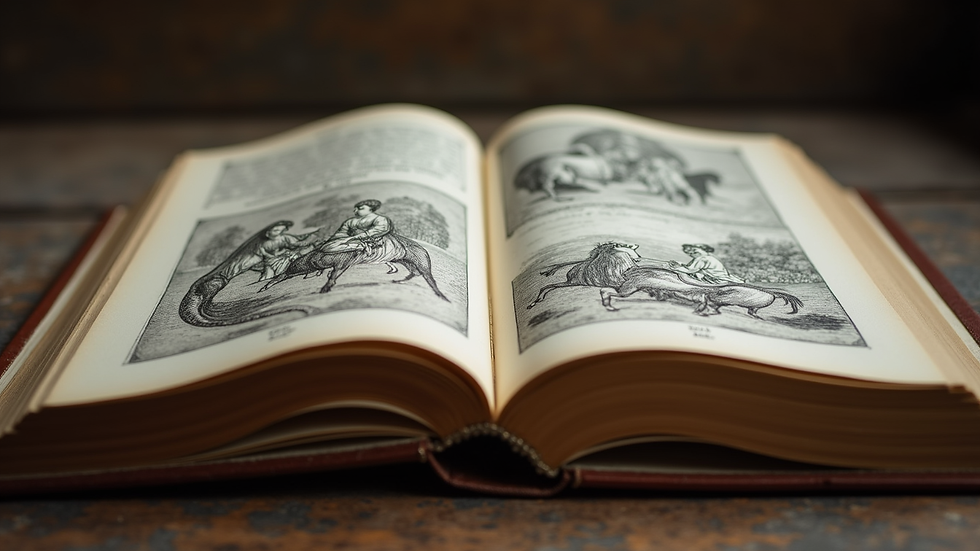
Antiquarian books hold a unique charm that captivates collectors, historians, and casual readers alike. These books are not just pages bound together; they are windows into the past, offering insights into the thoughts, cultures, and events of bygone eras. In this blog post, we will explore the fascinating world of antiquarian books, uncovering the treasures that lie within their pages and the stories they tell.
What Are Antiquarian Books?
Antiquarian books are defined as books that are at least 100 years old. They can range from rare first editions to beautifully illustrated volumes that showcase the craftsmanship of their time. Collectors often seek these books for their historical significance, aesthetic appeal, and the stories they carry.
Characteristics of Antiquarian Books
When identifying antiquarian books, several characteristics stand out:
Age: Typically, these books are over a century old.
Rarity: Many antiquarian books are limited editions or have unique features that make them scarce.
Condition: The physical state of the book plays a crucial role in its value. Well-preserved books are more sought after.
Provenance: The history of ownership can add to a book's allure. Books with interesting backstories or notable previous owners are often more valuable.
Why Collect Antiquarian Books?
Collecting antiquarian books can be a rewarding hobby for several reasons:
Historical Significance
Each antiquarian book serves as a time capsule, providing insights into the thoughts and beliefs of the era in which it was written. For example, a first edition of Charles Darwin's On the Origin of Species not only represents a pivotal moment in scientific history but also reflects the societal attitudes of the 19th century.
Aesthetic Appeal
Many antiquarian books feature stunning illustrations, intricate bindings, and unique typography. The craftsmanship involved in producing these books is often unmatched in modern publishing. Collectors appreciate the beauty of these volumes, which can serve as decorative pieces in their homes.
Investment Potential
While not all antiquarian books appreciate in value, many can be a sound investment. Rare editions, especially those in excellent condition, can fetch high prices at auctions. Collectors often find that their passion for antiquarian books can also yield financial rewards.
How to Start Your Antiquarian Book Collection
Starting an antiquarian book collection can be an exciting journey. Here are some steps to help you get started:
Define Your Interests
Before diving into the world of antiquarian books, consider what topics or genres interest you the most. Are you drawn to classic literature, historical texts, or perhaps art books? Defining your interests will help you focus your collection.
Research and Educate Yourself
Knowledge is key when it comes to collecting antiquarian books. Familiarize yourself with the following:
Book Terminology: Understanding terms like "first edition," "dust jacket," and "provenance" will help you navigate the market.
Market Trends: Keep an eye on auction results and sales to understand which books are in demand.
Reputable Dealers: Research reputable antiquarian book dealers and auction houses. Building relationships with knowledgeable sellers can provide valuable insights.
Attend Book Fairs and Auctions
Book fairs and auctions are excellent places to discover rare treasures. These events often feature a wide range of antiquarian books, and you can interact with other collectors and dealers. Engaging with the community can enhance your understanding and appreciation of antiquarian books.
Start Small
As a beginner, it’s wise to start with a few carefully selected books rather than attempting to build an extensive collection all at once. Look for books that resonate with you personally, even if they are not the most valuable. Your collection should reflect your interests and passions.
Caring for Your Antiquarian Books
Once you start collecting, it’s essential to take proper care of your antiquarian books to ensure their longevity. Here are some tips:
Proper Storage
Avoid Direct Sunlight: Keep your books away from direct sunlight to prevent fading and deterioration.
Maintain Humidity Levels: Aim for a humidity level between 40-60% to prevent mold and warping.
Use Bookcases: Store books upright in sturdy bookcases. Avoid stacking them horizontally, as this can cause damage.
Handling with Care
Clean Hands: Always handle books with clean, dry hands to avoid transferring oils or dirt.
Use Bookmarks: Avoid folding pages or using sticky notes. Instead, use bookmarks to mark your place.
Regular Inspections
Periodically check your books for signs of damage, such as mold, insects, or loose bindings. Early detection can prevent further deterioration.
Notable Antiquarian Books to Consider
If you're looking to expand your collection, here are a few notable antiquarian books that are highly sought after:
The Gutenberg Bible
Printed in the 15th century, the Gutenberg Bible is one of the earliest major books printed using movable type. Its historical significance and rarity make it a prized possession for collectors.
Shakespeare's First Folio
Published in 1623, this collection of William Shakespeare's plays is considered one of the most important works in English literature. First Folios are extremely rare and can command millions at auction.
Audubon's Birds of America
This stunning collection of illustrations by John James Audubon features detailed depictions of North American birds. The large format and exquisite artwork make it a favorite among collectors.
The Thrill of the Hunt
One of the most exciting aspects of collecting antiquarian books is the thrill of the hunt. Whether you’re scouring flea markets, attending estate sales, or browsing online auctions, each discovery can feel like uncovering a hidden treasure.
Tips for Successful Hunting
Be Patient: Finding the perfect book can take time. Don’t rush the process.
Network with Other Collectors: Join local or online book clubs to share tips and leads on where to find rare books.
Stay Informed: Subscribe to newsletters from antiquarian book dealers and auction houses to stay updated on upcoming sales and events.
Conclusion
Collecting antiquarian books is more than just a hobby; it’s a journey through history, art, and culture. Each book you add to your collection tells a story and connects you to the past. As you embark on this adventure, remember to enjoy the process, learn from others, and cherish the rare treasures you discover along the way. Happy collecting!


Comments